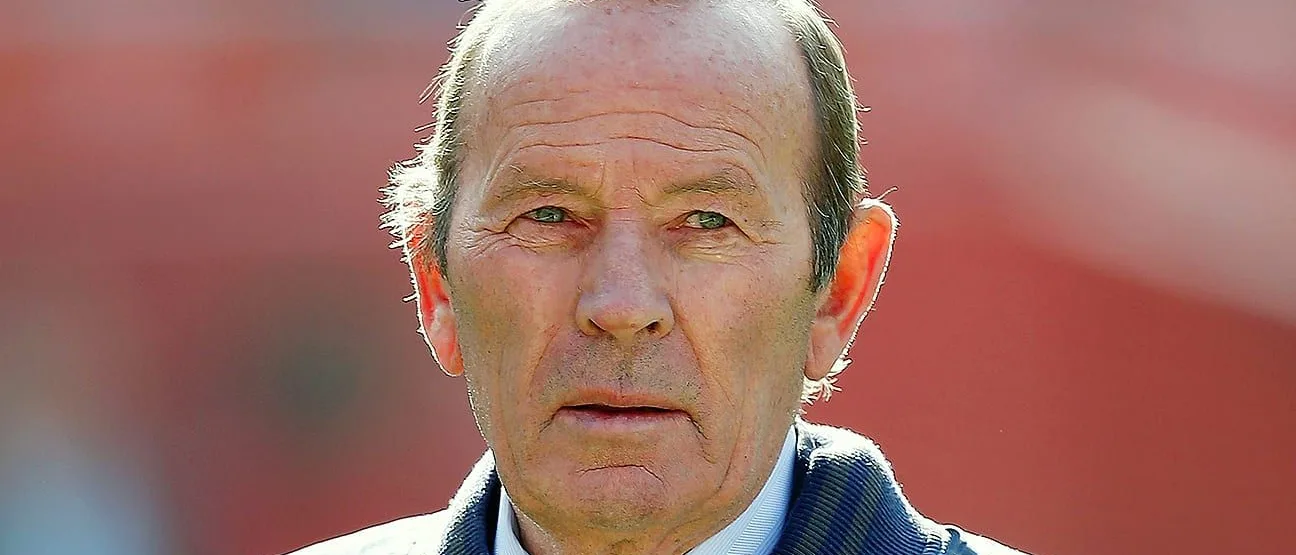
Bill Bowlen cannot get his own brother’s phone number. Let that sink in. The man’s sibling owned one of the most storied franchises in professional football, and Bill had to call the Denver Broncos’ front office just to track Pat down. That single detail tells you everything about how sideways this family saga went.
"It didn’t have to happen this way," said Bill Bowlen, speaking candidly in an interview with CBS4. "It’s really sad that this has been able to tear a family apart the way it has, and that really hurts."
Pat Bowlen died in 2019. He left behind three Super Bowl trophies, a franchise that dominated the AFC West for decades, and a family in absolute shambles. Now, for the first time since the legal dust settled, Bill and his daughter Julie are pulling back the curtain on the power struggle that consumed the Bowlen dynasty — and raising pointed questions about whether Pat was cognitively fit when he signed the documents that decided everything.
A family torn apart after Pat’s decline
Pat Bowlen bought the Denver Broncos in 1984 and turned them into a juggernaut — multiple Super Bowl championships, perennial contenders, one of the most respected operations in the NFL. Then Alzheimer’s disease arrived and began dismantling the man behind the empire. In 2014, Pat stepped away from the day-to-day operations of the team, publicly acknowledging his battle with the illness.
"It has really been a downhill spiral since Pat stepped away from the team," said Julie Bowlen, Bill’s daughter.
But according to Bill and Julie, the trouble started long before that public announcement. They say Pat showed early signs of cognitive decline as far back as 2006 — several years before he updated his will and trust in 2009. That revision was the one that mattered. It placed the future of the Denver Broncos in the hands of three trustees: team president Joe Ellis, team lawyer Rich Slivka, and attorney Mary Kelly.
Three people who were not Bowlens now held the keys to a billion-dollar franchise. Bill and Julie question whether Pat, by then suffering from dementia, had the capacity to make such a monumental call.
Concerns over Pat’s mental capacity
Bill pinpoints the moment he first sensed something was wrong. It was 2006, and Pat was delivering the eulogy for their mother. "It was strange, as if he didn’t write it," said Bill, who described the speech as being more about the Broncos than their mother.
From there, the walls went up. Bill says it grew harder and harder to reach his brother. Communication dried up. That is when the phone number situation happened — Bill, a blood relative, locked out by the franchise’s gatekeepers.
"I couldn’t get ahold of him," Bill explained. "They would not give me my brother’s cellphone number."
By 2010, the signs were impossible to ignore. Julie recalls a Broncos game in London where Bill spoke briefly with Pat, then walked away shaken. "My dad walked back to me and said, ‘I don’t think he had any idea who I was. Something was not right.’"
Here is the crux of the family’s argument: if Pat was already slipping by 2006, how could he have been of sound mind when he signed the updated will and trust documents in 2009 — the documents that effectively handed control of the team to the three trustees? Bill concedes that Pat made public decisions as late as 2008, including the firing of long-time head coach Mike Shanahan. But he maintains his brother’s cognitive abilities were already in decline by that point.
Legal battles and allegations
In 2018, Bill took the fight to court. He filed a lawsuit challenging the authority of the trustees, arguing that they were mired in conflicts of interest and failed to act in Pat’s best interest. The lawsuit was dismissed shortly after Pat’s death in 2019. But the legal warfare was only getting started.
Two of Pat’s daughters, Amie Klemmer and Beth Bowlen Wallace, filed their own lawsuit in 2019, claiming that Pat did not have the capacity to sign the trust documents in 2009. They sought to invalidate the trust entirely. In July 2021, a judge ruled that the updated documents were "valid and enforceable," reflecting Pat’s intent and will. The court sided with the trustees. The family lost.
Then came the succession drama. Beth Bowlen Wallace and her sister Brittany Bowlen both expressed interest in eventually taking over the team. The trustees appeared to favor Brittany, effectively pitting two sisters against each other for the throne.
"They chose to pit two children against each other and take sides," said Julie. "They have fractured this family possibly beyond repair."
With Pat’s children at odds and Bill’s legal challenges dismissed, Bill and Julie believe the trustees’ control over the Broncos will ultimately lead to a sale of the franchise — the one outcome they insist Pat never wanted.
"Pat would have been very upset, very upset," Bill said. "He wanted the team to stay in the family."
Pat’s legacy and the Broncos’ future
For all the wreckage, Bill refuses to let the feud define his brother. Under Pat’s leadership, the Broncos won three Super Bowls and became one of the marquee franchises in professional sports. That record stands regardless of what happened in the courtrooms.
"I don’t care what anybody says, in his tenure he was the best flipping owner there was in the NFL," Bill said. "We had a really good run."
And yet the shadow is long. A family that once stood united behind one of football’s great dynasties now barely speaks. The trustees continue to oversee the team. Speculation about a sale refuses to die. The Bowlen name still means something in Denver — but what it means depends on which Bowlen you ask.
Bill keeps circling back to the same thought, the one that haunts him most: "It didn’t have to happen this way."
Related Stories
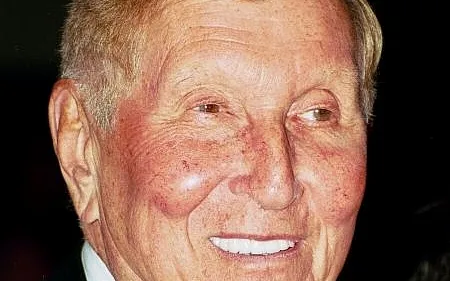
The Redstone Wars: How Shari Outlasted Her Father and Sold the Empire He Built
Sumner Redstone spent decades trying to keep his daughter away from his media empire. She got it anyway — and then sold every last piece of it for $8 billion. Along the way: a son bought out for $250 million, a companion evicted from a mansion, a CBS CEO fired in disgrace, and Donald Trump walking off with $16 million on his way to the White House.
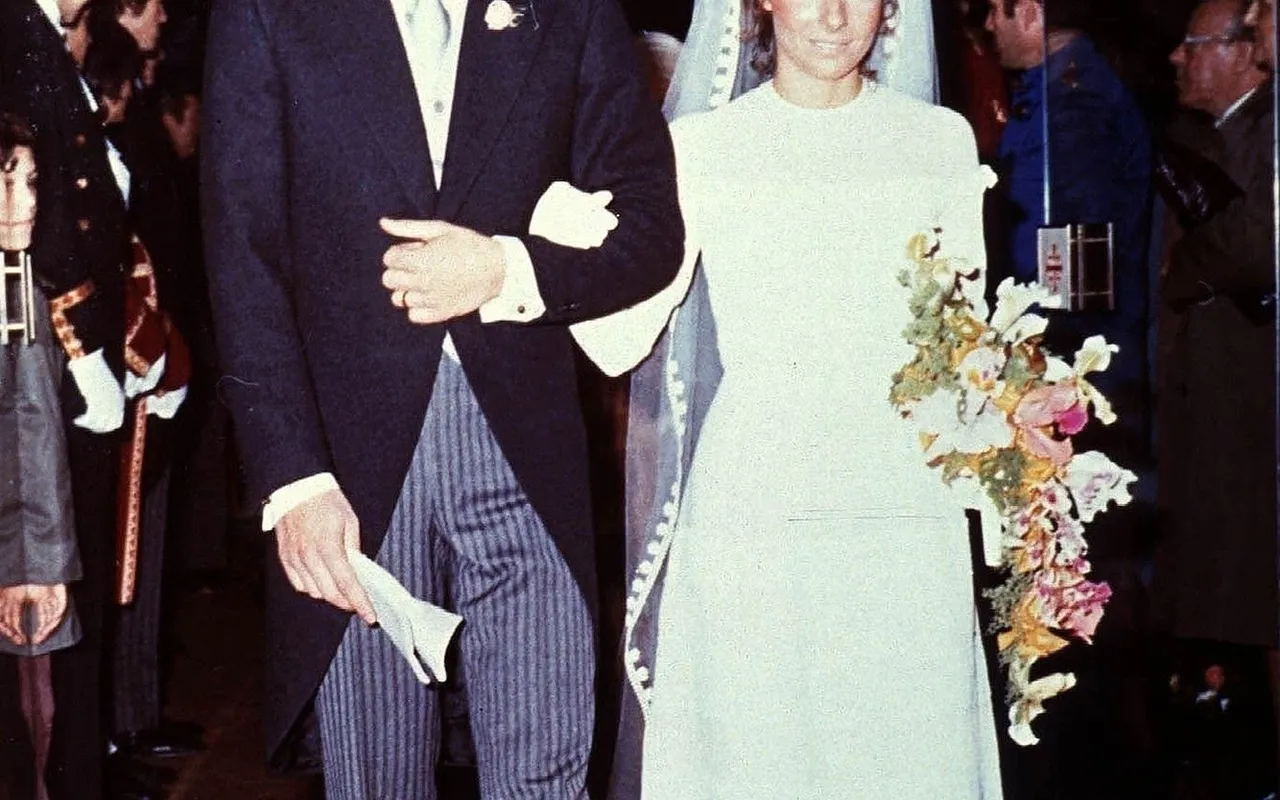
The House of Gucci ran on blood before anyone pulled a trigger
The family that built one of the world's most recognizable luxury brands spent decades tearing each other apart — in courtrooms, boardrooms, and finally, on a Milan street. The murder of Maurizio Gucci in 1995 was the final act of a dynasty that had been killing itself for years.

The Woman Who Tried to Save Her Mother from a Billion-Dollar Con
Liliane Bettencourt was the world's richest woman — and she was being drained of a billion dollars by her best friend. Her daughter went to war to stop it, and blew up French politics in the process.