
The McNair family wants you to believe the fight is over. It is not even close.
What started as a private guardianship dispute over Janice McNair -- the 81-year-old matriarch who inherited control of the Houston Texans after her husband Bob McNair died in 2018 -- has metastasized into a multi-front legal war that now threatens the governance of a $6.01 billion NFL franchise. Sealed court documents, a fresh lawsuit from a family trust company, and an ownership transition approved by the league in the middle of all of it: this is a dynasty tearing itself apart in real time, and the city of Houston is caught in the blast radius.
The guardianship case everyone thought was finished
For a brief window earlier this year, local headlines offered a tidy resolution. Cary McNair, Janice's eldest son, had dropped his petition for guardianship -- a petition triggered by allegations that his mother suffered brain atrophy from multiple hemorrhagic brain strokes. News outlets reported that Cary had backed off his effort to gain control over Janice's estate, and the narrative shifted: crisis averted, franchise secure, move along.
Except the case file tells a different story. Although the guardianship lawsuit was dropped in February, key legal documents remain sealed, leaving major questions wide open. Then, in June 2024, Palmetto Trust Company -- an entity whose board includes Cary's three siblings, Cal, Melissa, and Ruth -- filed a lawsuit against Cary, his son Holt, and several McNair executives. A new front opened in the family war just three months after Cal McNair was officially named principal owner of the Houston Texans in March 2024.
In July 2024, Cary's attorney sent a letter and exhibits to the court raising fresh concerns about Janice McNair's mental capacity. The court agreed to seal those documents too, which tells you something about what might be in them -- and raises serious transparency questions about who is actually steering the franchise.
Ownership changes hands while the family splinters
The NFL approved Cal McNair's transition to principal owner on March 26, 2024 -- right in the thick of significant upheaval across the McNair family businesses. The timing raises hard questions. Who was making decisions on Janice McNair's behalf during the transition? How did the ongoing legal disputes and sealed guardianship proceedings factor into the league's approval? The speed of the ownership change, against a backdrop of active family litigation, has fueled concern about whether internal dynamics are warping the governance of one of the NFL's most valuable teams.
Meanwhile, the Palmetto Trust Company lawsuit remains open and accessible to public scrutiny, even as Cary's case was set for a hearing on September 16, 2024. Palmetto Trust sought to move Cary's lawsuit to probate court -- a procedural maneuver that could set a precedent for separate individual cases filed by Holt McNair, Wade Turner, and Scott Schwinger. Multiple parties, shifting court venues, overlapping claims: the legal architecture here is getting more tangled by the month.
What sealed documents and silence actually mean
The secrecy around Janice McNair's guardianship case -- especially the sealed filings -- has become a story in itself. Without public access to those documents, fundamental questions about the stability and legitimacy of the Texans' ownership structure remain unanswered. The McNair family's instinct to shield its internal business from scrutiny is understandable on a human level, but the Houston Texans are not a private holding company that can operate in the dark. They are a civic institution.
That gap between what is known and what is hidden has consequences. Players, coaches, business partners, and fans all operate on trust, and trust requires transparency. Any whiff of ownership instability -- especially one tangled up in courtroom battles over a matriarch's mental fitness -- can erode confidence across every relationship the franchise depends on. Houston built part of its identity around this team. The city deserves to know who is actually in charge.
A $6.01 billion economic engine with no one at the wheel
The financial stakes here are staggering. The Houston Texans carry an estimated valuation of $6.01 billion, ranking 12th among NFL franchises. NRG Stadium pulled in over 543,000 fans during the 2022-23 NFL season, and the team's broader economic impact on the Houston region is estimated at $1.1 billion per year -- driven by ticket sales, concessions, merchandise, licensing deals, and the gravitational pull a major sports franchise exerts on a city's economy.
The Texans also ride the wave of the NFL's unmatched financial dominance. The league generated $18.6 billion in revenue in 2022, dwarfing every other major sports league on the planet. As a member of that machine, the Texans occupy a position of enormous economic leverage in Houston. Instability at the ownership level does not just threaten the family -- it threatens the entire ecosystem built around the franchise.
NFL ownership rules and the private equity wild card
The league's ownership rules exist precisely for situations like this one. The NFL requires a principal owner to hold at least 30% of a team and limits the total number of investors -- guardrails designed to prevent the kind of fractured, contested ownership playing out in Houston right now. History shows these transitions rarely go smoothly: the Bowlen family spent years fighting over the Denver Broncos, and the Benson family feud over the New Orleans Saints became its own legal spectacle. Passing a billion-dollar franchise from one generation to the next has a way of exposing every fault line in a family.
A newer wrinkle adds another variable. The NFL recently approved private equity investment in teams, allowing firms to acquire up to 10% of a team's equity -- a significant departure from the league's traditionally conservative approach to ownership. For the Texans, this could theoretically provide a path to fresh capital without disrupting family control. But any such deal would require NFL approval and would need to satisfy the league's ownership requirements, which means the McNairs' internal legal chaos becomes the league's problem too.
What comes next for the McNair dynasty
The outcome of these legal battles will define more than who signs the checks for the Houston Texans. It will determine whether the McNair name endures as a respected franchise-owning dynasty or becomes another cautionary tale about wealth, succession, and the families that fracture under the weight of both.
For now, the Texans remain a vital part of Houston's identity and economy. But the scrutiny is only intensifying -- from fans, from business leaders, from a league that does not tolerate ownership instability for long. The September 16th hearing was expected to open the next chapter of this saga. As the legal drama continues to unfold, the distance between what the McNair family says publicly and what is happening inside those courtrooms will be the story to watch.
Related Stories
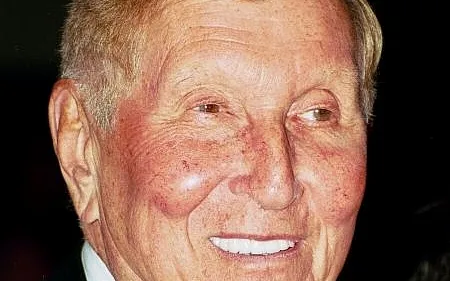
The Redstone Wars: How Shari Outlasted Her Father and Sold the Empire He Built
Sumner Redstone spent decades trying to keep his daughter away from his media empire. She got it anyway — and then sold every last piece of it for $8 billion. Along the way: a son bought out for $250 million, a companion evicted from a mansion, a CBS CEO fired in disgrace, and Donald Trump walking off with $16 million on his way to the White House.
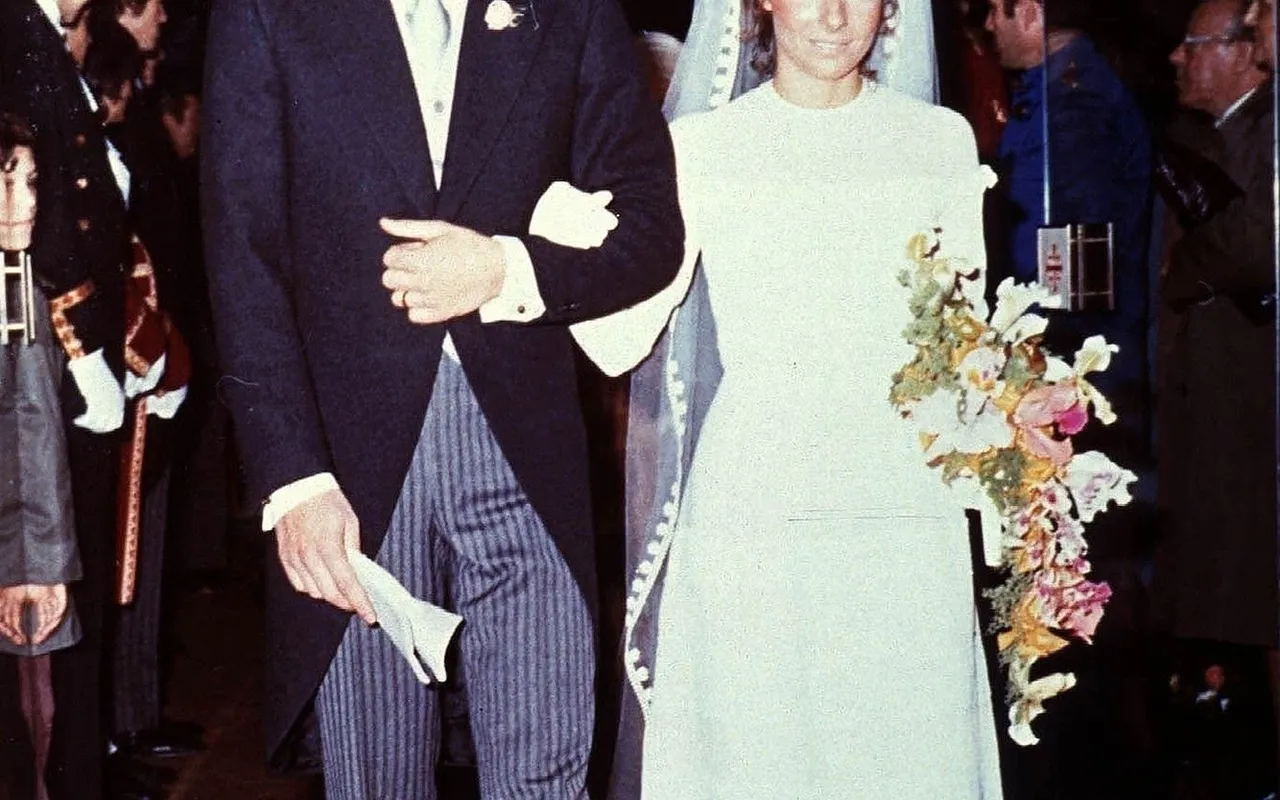
The House of Gucci ran on blood before anyone pulled a trigger
The family that built one of the world's most recognizable luxury brands spent decades tearing each other apart — in courtrooms, boardrooms, and finally, on a Milan street. The murder of Maurizio Gucci in 1995 was the final act of a dynasty that had been killing itself for years.

The Woman Who Tried to Save Her Mother from a Billion-Dollar Con
Liliane Bettencourt was the world's richest woman — and she was being drained of a billion dollars by her best friend. Her daughter went to war to stop it, and blew up French politics in the process.